
What is the role of meditation and other first-person evidence in understanding the nature of consciousness and addressing the hard problem of consciousness?
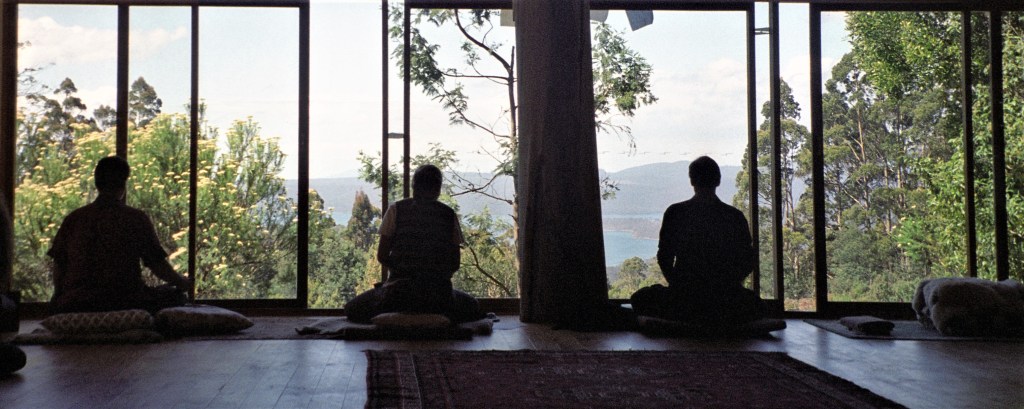
I have been directly exploring the nature of consciousness for over 30 years, primarily through meditation, but also through self-hypnosis, breath work, and psychedelics. About three years ago, I decided to explore in more depth what neuroscientists and philosophers had to say about consciousness, to complement and possibly revise what I had learnt through direct experience. From mid-2022 to present, I have published nine posts on consciousness here summarizing my readings in neuroscience and philosophy, and their impact on my own understanding of consciousness. Links to these are given at the end of this post.
Neuroscientists and first-person evidence
Consciousness is a first-person experience and can only be examined directly by each person individually. My conscious experience cannot be directly observed by anyone else. In contrast, neuroscience and science in general work with third-person objective observations and measures, which can in principle be made by anyone. It can thus only deal with the correlates of conscious experience.
Continue reading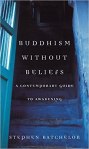 took a form of Christianity as a solution to existential angst. I was reminded of a book I read probably 15 years ago, by Stephen Batchelor: Buddhism Without Beliefs (London: Bloomsbury 1997) which argued that the Buddha was concerned with addressing the existential issue of suffering not with metaphysics and beliefs. I couldn’t find my copy of this, and bought another, which I enjoyed reading even more than the first time.
 Mountains and rivers