
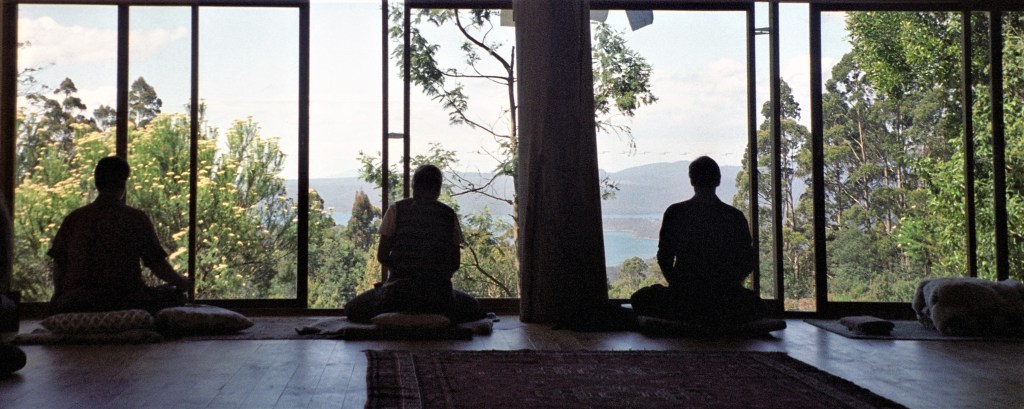
During the last COVID wave, while activities were restricted and I was largely staying at home, I intensified my zazen (sitting meditation) practice. With more attention to my practice, I was surprised to find I was easily sitting for 45 minutes and spending less of that time lost in thoughts and more time simply being present here-now aware of the arising and passing on random thoughts, sensations and sensory inputs.
There are four main categories of things that distract my attention from being here-now:
- Largely verbalised thought sequences. These can be somewhat spontaneous, jumping across subjects and concerns, or more focused on solving a problem, thinking through a situation or piece of work to be done, planning, strategizing, worrying, pondering the past or future.
- Distracting sensory stimuli with associated thoughts and emotions, eg. An intrusive noise, an insect flying around or crawling on my skin, an itch, or an ache or pain.
- Images that appear in the minds eye. These can be random or connected.
- Full-blown dream-like visions or daydreams, sometimes short, sometimes long.
I also occasionally experience auditory or olfactory hallucinations. For example, a voice saying something, or a distinct smell. But these are rare.
Continue reading
 Mountains and rivers