This is my second post on the World War I battlefields where my grandfather Will Mathers (1893-1953) served from 1916-1919 (the first is here). After recovering from being gassed, and then some leave, Will and Tom went to the Messines Front on 20 November 1917 and ran a dressing station at Bailleul until mid December. Bailleul was 13 km west of Mesen, in French Flanders, just 3 km from the Belgian border.
The Messines Ridge extends south from Ypres almost to the Belgian border and was captured by German forces in 1914. The ridge granted the German Army a dominant position overlooking the Ypres salient. Before launching their offensive at Passchendaele in September 1917, the Allies planned to capture the Messines Ridge.
The battle of Messines, at Wijtschate and Mesen, was notable for two things. The Allied attack was preceded by the detonation of a million pounds of explosives packed into 21 mineshafts under the German positions along the entire 15km length of the Messines ridge. The colossal explosion in the early hours of Thursday 7 June 1917 was heard as far distant as London (where Lloyd George is reputed to have heard it from his offices in Downing Street) and Dublin.
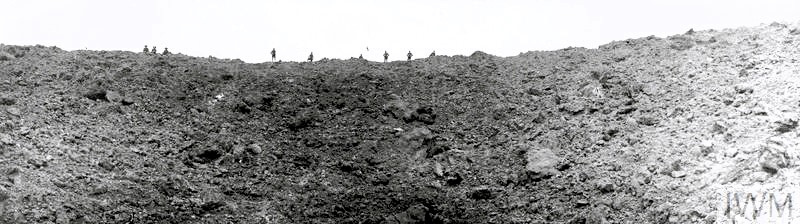
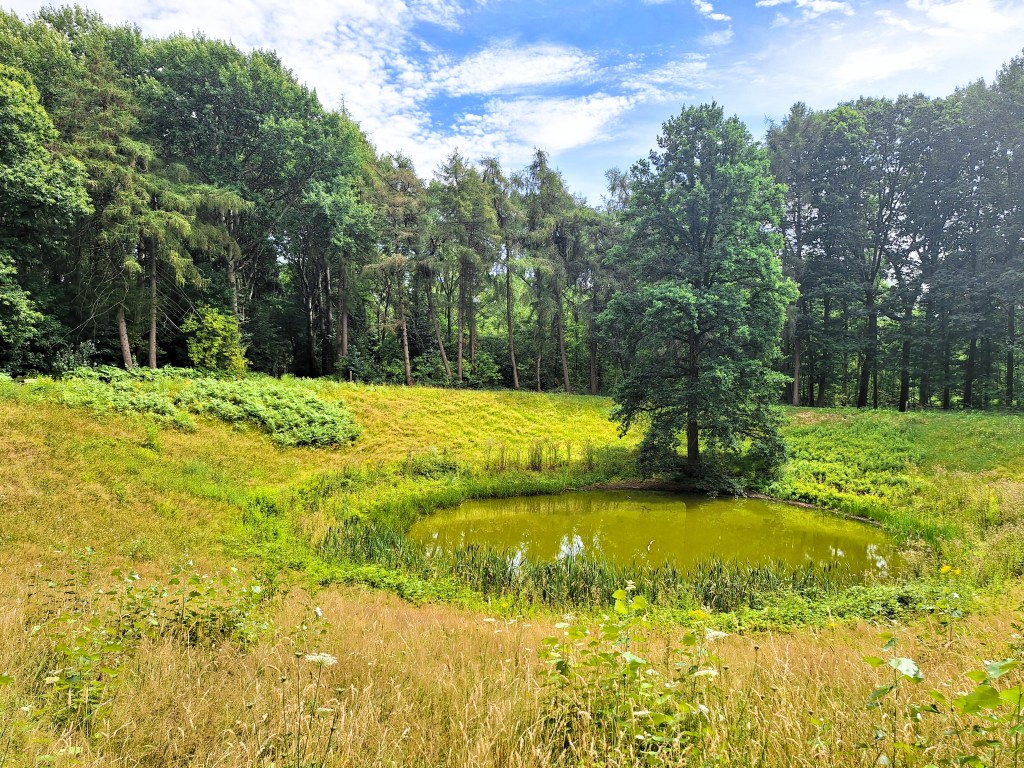
The two most northerly positioned mines on the Messines ridge exploded on Hill 60 (24,000 kg of explosives) and at the Caterpillar (32,000 kg of explosives), which is just across the railway tracks from Hill 60. The tunnel dug to place the explosives was 700 metres long. The mines left deep and wide craters that are there still today.

. Although 10,000 casualties were reported on 10 June, 21 days after the explosion, the historian, Simon Jones, challenged the death toll of the mines using primary sources and suggested that the mine explosions killed no more than 500 German troops and that 7,344 were taken prisoner. The report of 10,000 casualties originated from the German estimates for total casualties (including prisoners) in the Battle of Messines.
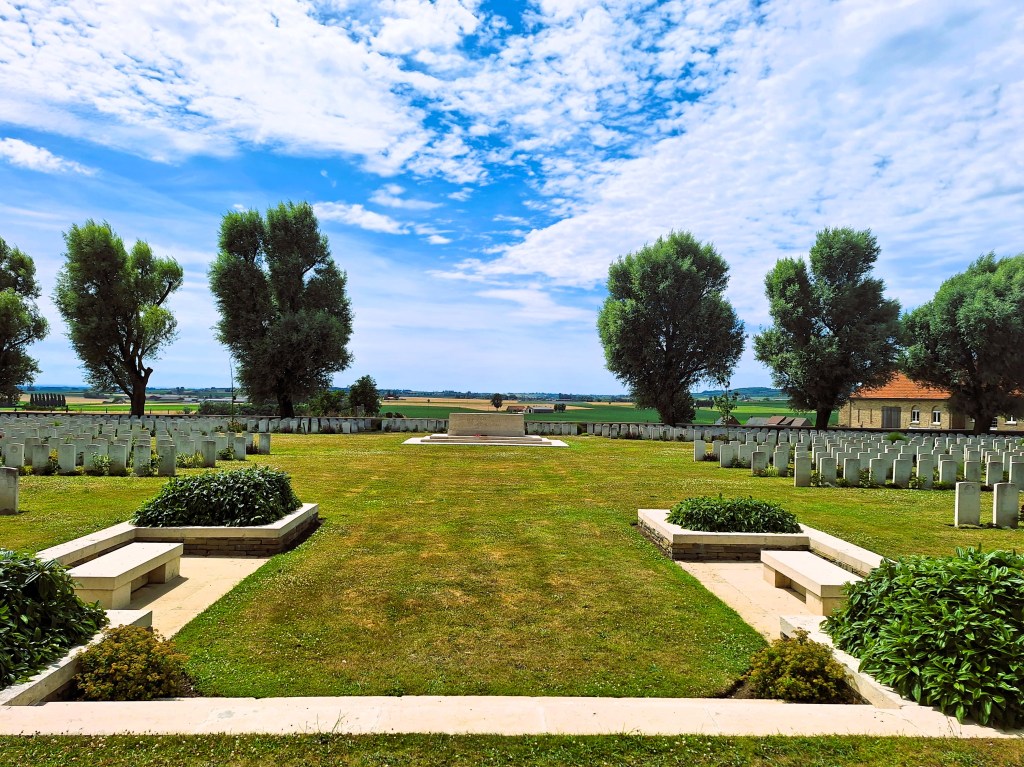
The battle, and the taking of the town of Mesen (Messines in French) on a very hot summer day, was one of the few British and Allied ‘triumphs’ in Flanders. Although it was successful, a meagre advance was tempered by the loss, among the Allied troops, of 6800 Australians. By the end of the day Private John Melrose (aged 29) was among the dead. He is remembered on the Ypres memorial (panel 127) at the Menin Gate. Shortly afterwards the 36th was in action again, this time at Passchendaele.


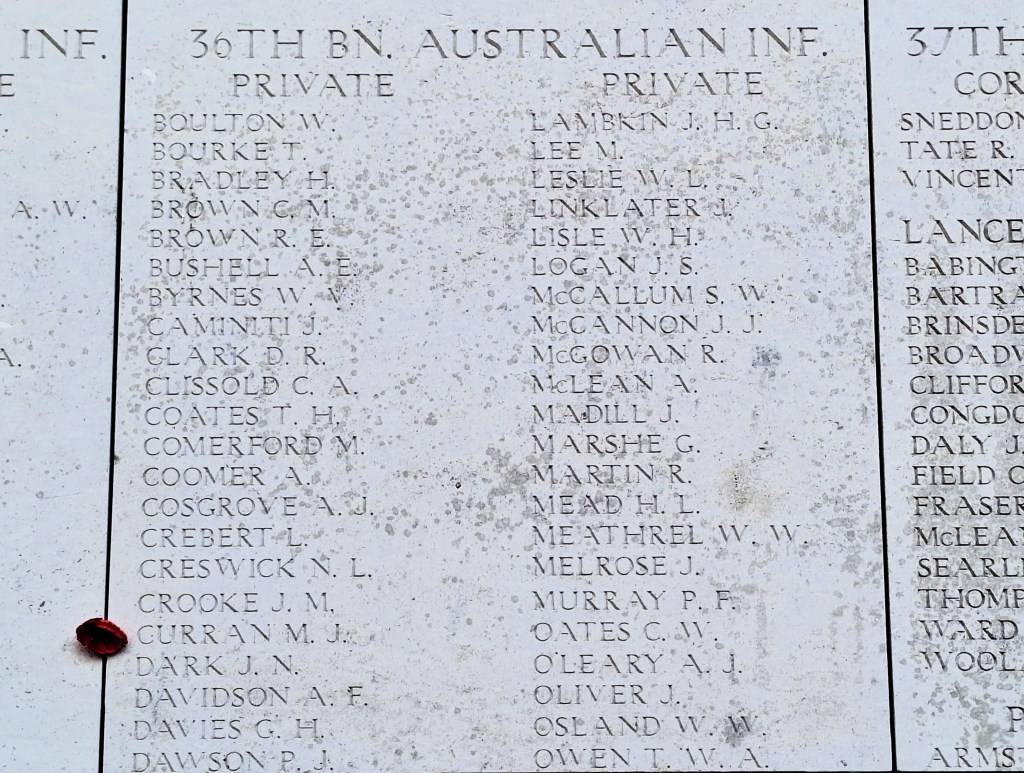
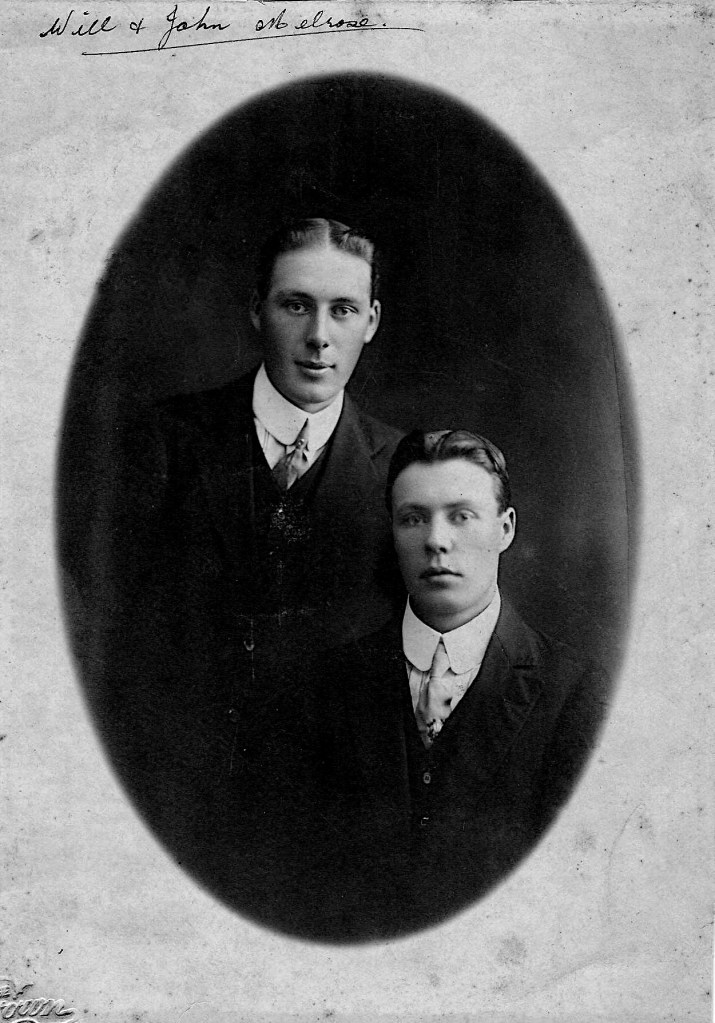
John Melrose (1887-1917) and William Melrose (1989-1917) were cousins of Will and Tom, who had emigrated to Australia in 1909 and 1911 respectively. They both enlisted in 1916, John only two weeks after he married Annie Lennox, another young immigrant from Scotland.
John joined the 36th Australian Infantry Battalion, nicknamed “Carmichael’s Thousand,”and took part in the Battle of Messines. Assigned to the 9th Brigade, the battalion fought on the Oostaverne Line and suffered heavily.
The Red Cross wrote several letters to Annie. In a letter dated 1 March 1918, the report of a Private Jeffery states:
“I was personally acquainted with No. 2611 Pte Melrose,J. 36th Battalion. On the night of 7th June 1917 Pte. Melrose and I were part of a carrying party working between Ploegstreet Wood and firing line. About half way towards the firing line on our fourth trip an enemy machine gun opened fire. No. 2611 Pte. Melrose was hit in the head and killed. He was buried next morning about 100 yards from where he fell.”
John must have survived the attack on Messines Ridge (they started in the early hours) only to be killed when the victory was secured. Ploegsteert Wood was at the extreme southern end of a 9 mile (N/S) offensive and lies just north of the French town of Armentieres (although the wood is actually in Belgium). The Wood was referred to as Plugstreet by the British troops.

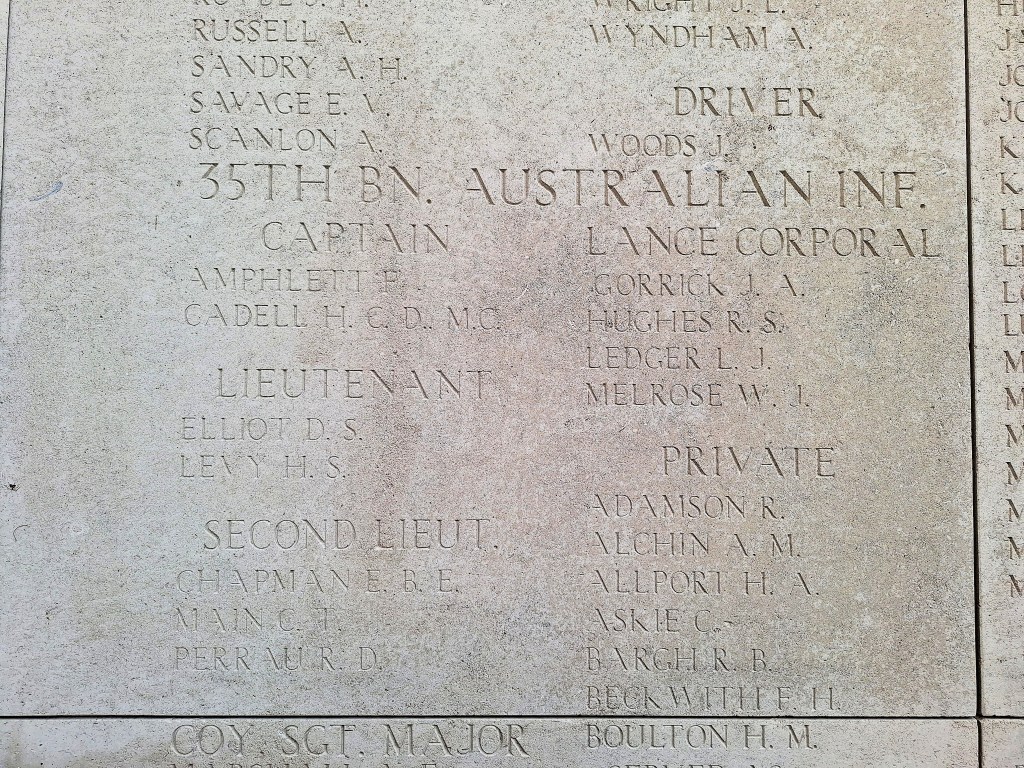
John’s brother William was in the 35th Australian Infantry Battalion, which fought in the Battle of Passchedaele. He was killed on 12 October, 1917 at Passchendaele, five months after the death of his brother. In a letter dated 21 October 1918, a Private J. Morris reported:
“He stayed behind a pill box at Passchendaele and said he was going to get the German gun to use it against them. He never came back to us. A Pte. Fred Walker reported that Sergt. Curtain told him in December that at Passchendaele on Oct. 12 1917, Melrose was killed instantly by a shell.”